
Every office building, factory floor, and commercial facility functions as a daily working environment. When indoor spaces are clean, well-organized, and properly maintained, employees move through their workday smoothly without giving a second thought to the physical surroundings. But the moment hygiene standards slip, the impact is felt right awaysick days go up, building finishes wear out early, and visitors leave with a poor first impression of the business.
Thank you for reading this post, don't forget to subscribe!For a long time, business leadership viewed facility cleaning as a simple, back-office task. Companies often relied on informal in-house arrangements or low-bid contractors who provided little more than basic surface sweeping. In today’s working environments, that casual approach creates quiet, long-term problems: inconsistent sanitation, ruined building materials from improper chemical use, and higher repair bills down the line.
Modern businesses treat environmental care as a systematic, proactive habit. Investing in professional housekeeping services is no longer just about keeping up appearances; it is a direct, practical strategy to protect physical assets, keep teams healthy, and avoid unexpected operational headaches.
This guide explores how structured facility care works, why standardized hygiene practices protect your property investments, and how to set up an effective environmental strategy for your organization.
Moving Beyond Surface Cleaning to Systematic Hygiene
The Real Cost of Informal Cleaning
Informal cleaning setups often cost more over time than they save up front. When untrained staff clean facilities using generic retail products and guesswork, subtle damage builds up. High-touch areas become hotspots for spreading seasonal office bugs, while expensive flooring materials such as natural stone, hardwoods, or treated carpets—get dull or ruined by using the wrong cleaning chemicals.
Switching to professional housekeeping services replaces quick surface wipes with clear, repeatable routines. Standardized procedures match the right cleaning solution to the specific surface, ensuring high-traffic zones are sanitized properly without causing damage to the materials underneath.
How a Modern Facility Care Team Operates
An organized environmental care program functions as a connected team effort rather than a group of people working in isolation:
- Sanitation Technicians: Trained in proper chemical ratios, material care, and methods that prevent cross-contamination between different areas of a building.
- Site Supervisors: Equipped with digital checklists and regular inspection routines to ensure consistent work across every shift.
- Facility Coordination: Integrated with building schedules so deep cleaning happens smoothly around peak business hours.
Core Pillars of Enterprise-Grade Facility Care
1. Infection Prevention and Daily Health
Keeping a workplace hygienic goes far beyond making it look tidy. It requires a systematic approach to cleaning high-touch areas that keeps the workforce healthy throughout the year.
Professional teams focus heavily on shared surfaces like door handles, elevator buttons, breakroom counters, and restroom fixtures. By applying proper disinfectants and allowing them enough dwell time to work, technicians clear out germs effectively before they spread across the office.
2. Protecting Architectural Assets and Flooring
Commercial properties feature a wide range of materials polished concrete, stone tiles, commercial carpets, and composite desks. Applying harsh or incorrect chemicals can etch stone, fade furniture, or leave sticky films on carpets that attract dirt faster.
Proper facility protocols match the pH level of the cleaning solution to the surface being cleaned. Neutral floor cleaners protect expensive seals, while low-moisture extraction methods keep carpets clean without causing mold or backing damage. This careful approach adds years to the life of your interior finishes.
3. Safety, Compliance, and Color-Coded Tools
Maintaining a safe workplace means following established health and safety guidelines. That includes handling cleaning chemicals responsibly, keeping safety data sheets accessible, and using proper protective gear.
To prevent bacteria from traveling across different parts of a facility, professional teams use strict color-coded microfiber systems. For example, red cloths are reserved exclusively for restrooms, green for kitchen and pantry zones, and blue for general desk dusting. This simple visual rule eliminates cross-contamination risks entirely.
How Professional Housekeeping Works in Practice
Delivering reliable results across a large property requires a clear, four-phase plan:
- Site & Material Inspection: Specialists evaluate your building layout, flooring materials, daily foot traffic, and high-use zones to understand the exact scope of work.
- Custom Work Plan: Managers build a site-specific schedule outlining daily tasks, weekly routines, and monthly deep-cleaning goals matched to your operating hours.
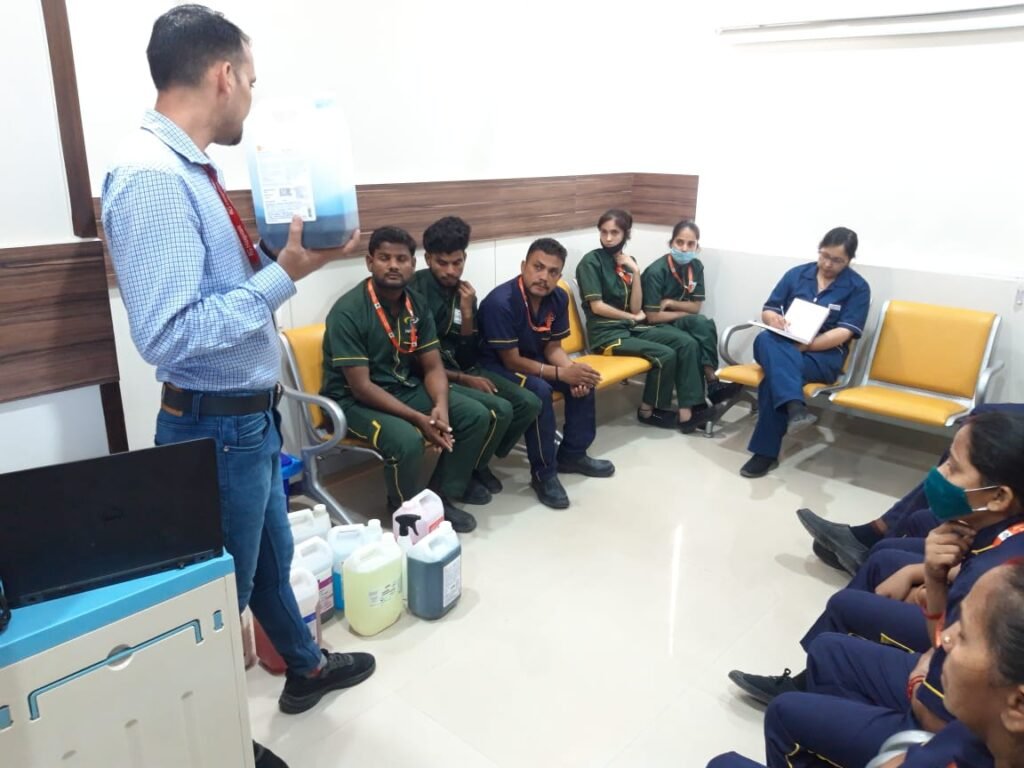
- Staff Training & Color-Coding: Technicians complete practical training on equipment safety, chemical dilution systems, and zone-specific cleaning tools.
- Quality Checks & Testing: Supervisors conduct regular walkthroughs and spot checks to review work quality against agreed standards, making adjustments as property needs change.
The Business Impact of Professional Facility Care
Upgrading to structured housekeeping services brings clear, practical benefits to day-to-day operations:
- Fewer Sick Days: Consistent sanitization of shared surfaces and improved indoor cleanliness help reduce workplace viral transmission, cutting unplanned sick leave by up to 24%.
- Longer Asset Lifespan: Using material-safe cleaning products prevents early wear on flooring and furniture, extending replacement cycles by 30% to 40%.
- Better Productivity: A clean, organized, and well-maintained environment creates a comfortable space where employees can focus without distractions.
First impressions matter to your brand. When clients, job candidates, or partners visit your site, a clean, well-cared-for building signals discipline, attention to detail, and pride in your operations.
Common Misconceptions About Commercial Cleaning
Myth 1: “If It Looks Clean, It Is Clean”
Evaluating hygiene based only on sight is a common mistake. A floor or desk can look spotless while carrying dense bacteria on its surface. Real hygiene depends on using the right products with enough contact time to clear away germs, not just wiping away visible dust.
Myth 2: “Managing Cleaning In-House Is Cheaper”
Handling cleaning internally often conceals hidden expenses: purchasing and servicing commercial equipment, buying supplies at retail rates, managing staff turnover, and taking management time away from core business goals. Outsourcing turns unpredictable overhead into a clear, fixed operational cost.
Long-Term Strategic Value
Relying on scattered or informal cleaning arrangements often leads to inconsistent results and unnecessary management hassle. Partnering with an experienced facility management provider gives you a single, dedicated team responsible for maintaining high standards across your entire property.
As workplace health and safety standards evolve, having a reliable partner who tracks best practices, uses eco-friendly products, and maintains clean, well-cared-for spaces ensures your organization stays ahead—protecting your people, your assets, and your brand reputation.
Frequently Asked Questions
What do professional housekeeping services include?
Professional housekeeping services cover daily floor care, desk and counter sanitization, restroom hygiene management, trash and recycling collection, glass cleaning, pantry upkeep, and periodic deep cleaning for commercial and industrial properties.
How do professional housekeeping services improve indoor air quality?
Professional teams use commercial vacuums equipped with HEPA filters, microfiber dust collection tools, and low-chemical solutions. These tools trap fine dust, pollen, and allergens instead of pushing them back into the air, keeping indoor spaces fresher and easier to breathe in.
Why should a company outsource its housekeeping operations?
Outsourcing removes the need to buy and service heavy cleaning machinery, reduces internal administrative burdens, ensures compliance with safety standards, and provides access to trained staff and professional-grade supplies.
How often should commercial properties receive deep cleaning?
While basic maintenance happens daily, intensive deep cleaning—such as carpet extraction, hard-floor stripping and waxing, and high-dustingis typically scheduled quarterly or semi-annually based on foot traffic and facility use.
What is the difference between commercial and residential housekeeping?
Commercial housekeeping uses heavy-duty equipment, specialized chemical formulations, color-coded cross-contamination controls, and strict safety guidelines tailored for large, high-traffic buildings. Residential cleaning focuses on lighter home maintenance.
Conclusion: Building a Better Workplace Environment
Keeping a facility clean and well-maintained shouldn’t be an afterthought. Shifting from informal cleaning habits to structured, professional environmental management protects your physical property, supports employee health, and projects a clear image of professionalism.
Working with a dedicated, well-managed team gives senior leadership peace of mind that their facilities remain clean, safe, and welcoming every single day.
Partner with GTCS Allied
Good Times Corporate Security Pvt. Ltd. (GTCS Allied) provides reliable, professional housekeeping and facility support solutions designed for corporate, industrial, and commercial properties across India.
- Serving Clients Across India 🇮🇳
- Head Office: A-15 & A-16, Keshopur Industrial Area, Vikaspuri, New Delhi – 110018
- Direct Phone: +91 9810008576 | +91 9810689733
- Email: hr@gtcsallied.com
- Website: gtcsallied.com
Contact our team today to schedule a site evaluation and explore how our custom facility management plans can support your workplace.